Key Takeaway
Automate client intake and AML compliance for UK law firms. Web enquiry to ID-verified, conflict-checked client file — no manual re-keying required.
The Mandate You Lost While You Were Writing the Email
A property solicitor in Reading told me something last year that I have not been able to shake. She said she had lost a £12,000 conveyancing instruction because her firm took three days to send the engagement letter. The client had submitted a web enquiry on a Monday morning. By Wednesday afternoon, when the paralegal finally sent the letter, the client had already signed with a competitor who had onboarded them in under two hours.
72 hours
average response time losing mandates — reduced to under 10 minutes with automation
Three days. Not because the firm was incompetent — the solicitors were excellent. Not because anyone was lazy — the paralegal was juggling fourteen other intake processes simultaneously. Three days because every single step in their onboarding pipeline required a human being to do something manually, and human beings can only do one thing at a time.
This is the intake problem, and it is costing UK law firms more lost revenue than any other operational failure I encounter. Not billing leakage. Not underutilisation. The sheer number of qualified, high-value leads that arrive at your website, fill in your form, and then sign with someone faster before you have managed to issue the paperwork.
The "Email Ping-Pong" Anatomy
Let me map the traditional intake process, because most firms have never actually written it down step by step. When they do, the inefficiency becomes viscerally obvious.
- A prospective client submits a web enquiry or telephones the firm.
- A receptionist or paralegal manually enters the details into the practice management system (5–10 minutes).
- The same person checks for conflicts of interest — opening the database, searching by party name, reviewing any matches manually (10–15 minutes for a thorough check).
- An email is sent to the client requesting identification documents for AML compliance — a passport scan, a utility bill, proof of address.
- The client responds — sometimes that day, sometimes three days later — with a blurry photograph of a passport taken at arm's length.
- The paralegal manually verifies the documents against the firm's AML checklist, runs a basic sanctions check on Companies House or a screening database, and files the results.
- A partner or senior associate reviews the matter, confirms the fee quote, and instructs someone to draft the engagement letter.
- The engagement letter is drafted in Word — typically by opening a previous letter, clicking "Save As," and manually replacing the client details.
- The letter is emailed to the client. The client prints it, signs it, scans it, and emails it back.
End to end, that process takes between 48 and 72 hours in most firms I audit. During those 48 to 72 hours, your prospective client is sitting in a competitor's inbox as well — and if that competitor has automated their intake, the client will have received their engagement letter, completed their AML check, and booked their consultation before your paralegal has finished step three.
In a market where the legal work itself is often indistinguishable between firms, speed of onboarding has become the primary differentiator. The firm that issues the engagement letter first wins the mandate.
The Automated Front-Door Stack
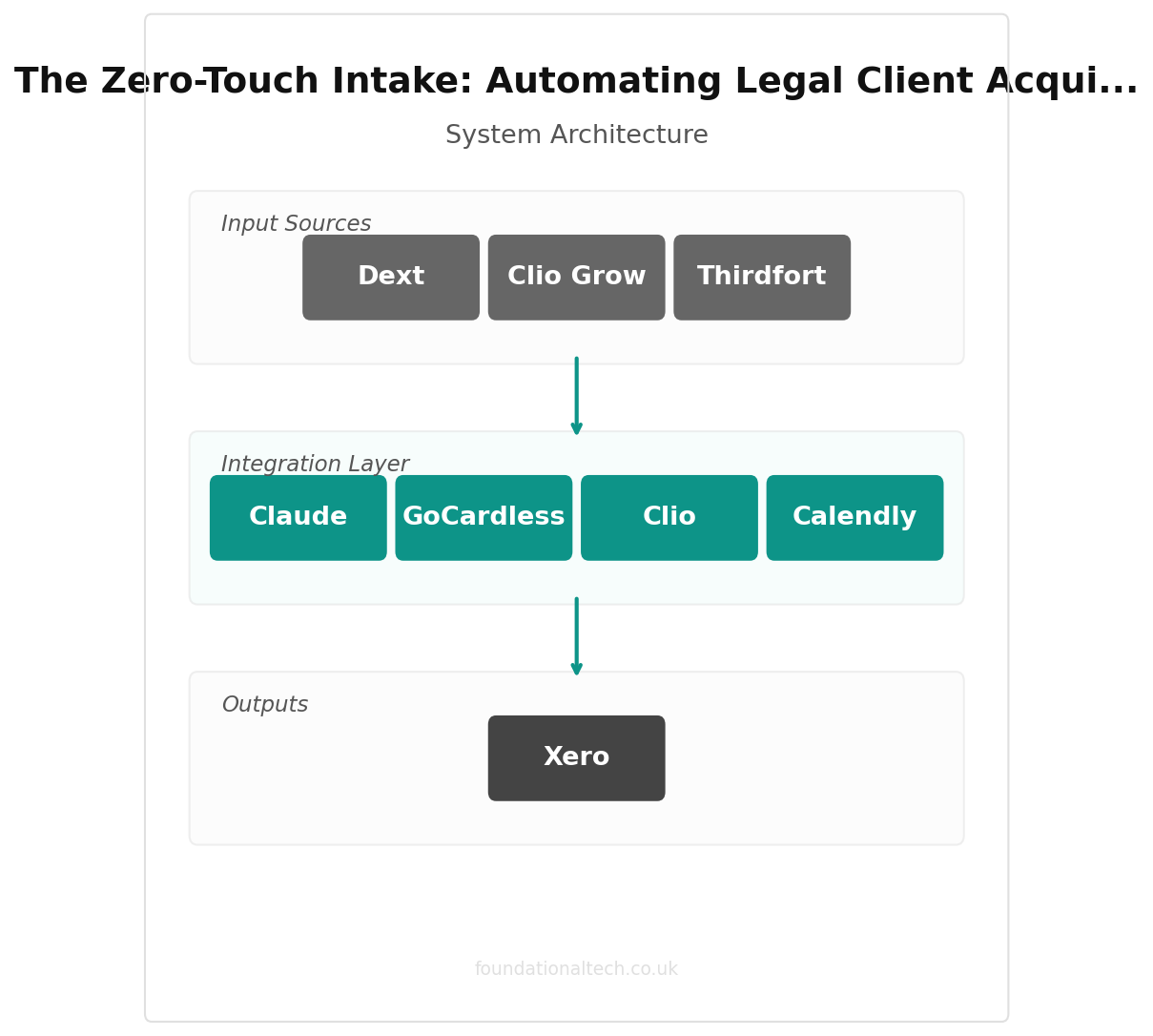
To compress the intake timeline from three days to under three hours, you need four components working in sequence, each one triggering the next automatically. Here is the stack I deploy with UK firms, with current pricing.
1. The Intake Router: Clio Grow
Clio Grow (from £29/user/month) replaces the generic "Contact Us" email form with an intelligent intake system. The firm embeds a dynamic web form on their website — customised by practice area — that captures the information needed to open a matter: client name, contact details, matter type, opposing party, brief description.
When the form is submitted, three things happen simultaneously:
- A new contact record is created in the CRM with zero manual data entry.
- The enquiry source is logged (Google Ads, organic search, referral, directory listing) so the firm can track which marketing channels are actually generating instructions.
- An algorithmic conflict check runs instantly. Clio Grow scans the firm's entire database for any existing or former client with the same name, any matter involving the opposing party, and any related entity. If a potential conflict is flagged, the system routes the enquiry to the COLP for review rather than proceeding automatically.
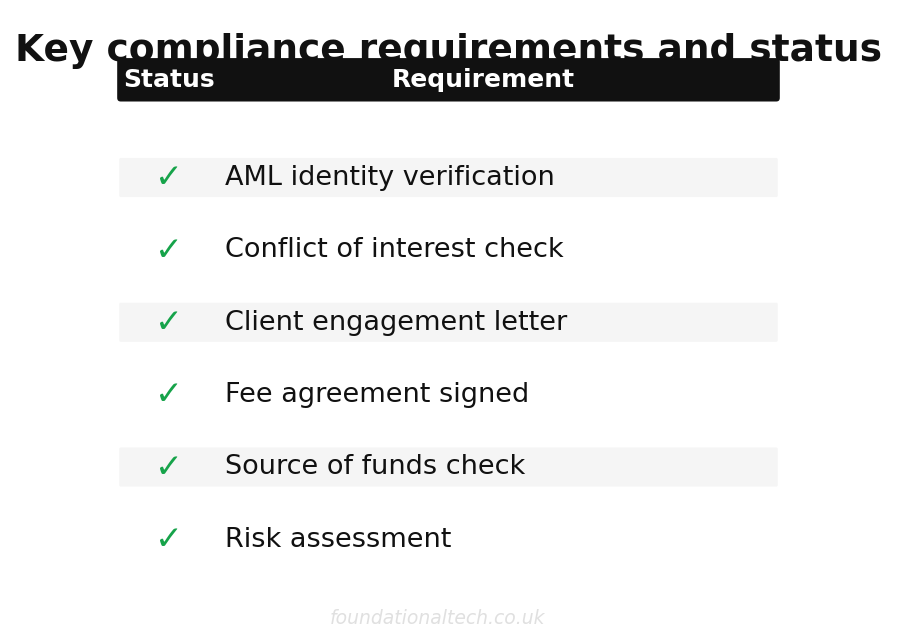
That last point matters more than most firms appreciate. The SRA's conflict of interest rules under Paragraphs 6.1 and 6.2 of the Code of Conduct for Solicitors require firms to identify conflicts at the earliest opportunity. An automated check that runs at the moment of first contact — before any substantive conversation takes place — is demonstrably superior to a manual check that happens hours or days later, after a partner has already had a phone call and formed expectations about the work.
2. The Scheduling Engine: Calendly or Acuity
Once the enquiry is logged and conflicts are cleared, the client needs to book a consultation. In a manual process, this involves what I call "calendar tennis" — three or four emails back and forth to find a mutually agreeable time, each exchange adding hours or days to the timeline.
Calendly (from £8/month) or Acuity Scheduling (from £16/month) eliminates this entirely. The client receives an automated email from Clio Grow containing a live calendar link. They select an available slot. The system creates a video conferencing link (Zoom or Teams), blocks the solicitor's Outlook calendar, and sends confirmation to both parties.
The elapsed time from web enquiry to booked consultation: under five minutes, with zero human intervention.
3. The Compliance Validator: Thirdfort
For UK firms, AML compliance is not optional. The Money Laundering, Terrorist Financing and Transfer of Funds (Information on the Payer) Regulations 2017 — as amended to implement the Fifth Anti-Money Laundering Directive — require customer due diligence before a business relationship is established. The SRA's enforcement has become increasingly assertive, with multiple firms receiving fines exceeding £10,000 in recent years for inadequate CDD processes.
The traditional approach — asking a client to email a passport scan and a utility bill — is both slow and risky. A blurry JPEG of a passport cannot be biometrically verified. A scanned utility bill may be months old. And the administrative burden of manually checking documents against PEP lists, sanctions databases, and adverse media sources is significant.
Thirdfort (£1.50–£15 per check depending on the depth of verification) automates the entire KYC workflow:
- The client receives an SMS with a secure link — triggered automatically by a webhook from Clio Grow when the intake form is submitted.
- The client scans their passport or driving licence using their phone camera. Thirdfort performs biometric verification — matching the photograph on the document to a live selfie.
- Open banking verification confirms the client's identity and source of funds by connecting (with the client's consent) to their bank account data.
- Simultaneous screening runs against PEP databases, global sanctions lists, and adverse media sources.
- A compliance certificate is generated and pushed back into the firm's practice management system.
The entire process takes the client ten minutes on their phone. The firm receives a verified, auditable compliance record without anyone having to photocopy a passport or open a web browser.
For property law firms — where the risk of money laundering is highest and the SRA's scrutiny is most intense — Thirdfort's source-of-funds verification through open banking is particularly valuable. It provides a level of assurance that manual document checks simply cannot match, and it generates the documentary evidence needed to demonstrate compliance if the firm is ever audited.
At the lower end, a basic ID verification at £1.50 costs less than ten minutes of a paralegal's time. At the upper end, enhanced due diligence with full source-of-funds analysis at £15 per check is a fraction of the cost of the regulatory consequences of getting it wrong.
4. The Execution Layer: Engagement Letters and E-Signatures
Once conflicts are cleared and AML is verified, the final step is the engagement letter. In a manual process, this is where "Save As" strikes — a partner opens last week's engagement letter, changes the client name (sometimes missing one instance), adjusts the fee quote, and emails it as a Word attachment.
In an automated intake stack, the CRM triggers the engagement letter automatically. Clio Grow pulls the client's data — name, entity type, matter description, quoted fee, payment terms — from the intake form and populates a pre-approved template. The letter is dispatched immediately via DocuSign (from £20/month) for electronic signature.
The client receives a professionally formatted, error-free engagement letter with a single click to sign. No printing. No scanning. No posting. The signed document is automatically filed back into the matter record in the practice management system.
The Real-World Pipeline: Compressing the Timeline
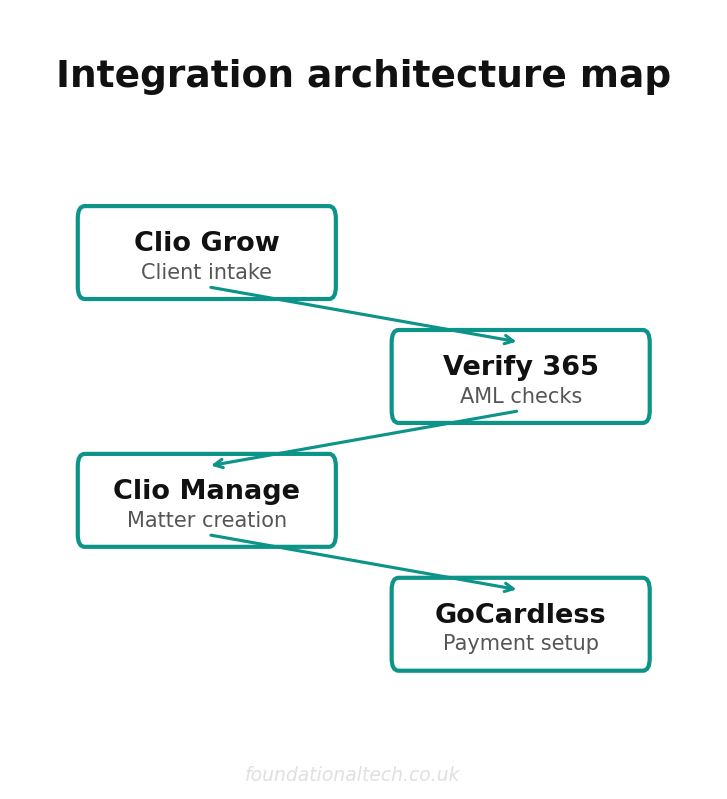
Here is how the automated intake funnel functions in a firm I helped build this pipeline for — a six-solicitor residential conveyancing practice in Bristol.
09:00 — The Capture
A prospective client completes the embedded web form on the firm's website, selecting "Residential Purchase" as the matter type. Clio Grow creates the contact profile, logs the source as a Google Ads click, and runs the algorithmic conflict check. Result: zero conflicts identified. Elapsed time: ninety seconds.
09:03 — The Booking
An automated email triggers from Clio Grow, thanking the client for their enquiry and providing a Calendly link to book a fifteen-minute consultation with the appropriate fee earner. The client selects a slot for 10:00 AM the same morning. The Zoom link is generated and both calendars are updated. Elapsed time: three minutes.
09:05 — The Compliance
A webhook fires from Clio Grow to Thirdfort, triggering an SMS to the client's mobile. The client scans their passport, takes a selfie for biometric matching, and authorises an open banking check. Thirdfort verifies their identity, screens against PEP and sanctions databases, confirms source of funds, and pushes a clean compliance certificate back into the firm's system. Elapsed time: ten minutes of the client's time, zero minutes of the firm's time.
10:00 — The Consultation
The solicitor joins the fifteen-minute Zoom call. She already has the client's details, the property information, and a confirmed AML status — all visible in Clio without clicking away from the matter screen. The conversation is about the transaction, not the paperwork.
10:15 — The Retainer
At the end of the call, the solicitor clicks a single button in Clio Grow. The system generates the bespoke engagement letter from the approved template, populates every field from the intake data, and dispatches it to the client's email via DocuSign alongside a GoCardless payment link for the initial retainer. The client signs the letter on their phone and sets up the Direct Debit in under two minutes.
By 10:20 AM, the client is fully onboarded — legally compliant, financially secured, and matter-opened. The firm has spent exactly fifteen minutes of human capital on the entire process. The competitor down the road, running the manual process, has not yet sent their first email.
The UK-Native Alternative: Osprey Approach
For firms that prefer an integrated solution from a single UK vendor, Osprey Approach (from £55/user/month) includes intake workflow automation as part of its practice management platform. Client portal functionality allows prospective clients to submit enquiries, upload documents, and complete onboarding steps through a branded web interface — all feeding directly into the case management system without manual intervention.
Osprey's strength is simplicity: one vendor, one support relationship, one system designed specifically for how UK firms operate. The trade-off is that you lose the flexibility of choosing best-in-class tools at each layer. For firms with five to twenty fee earners, that trade-off is often worth making.
What It Costs: The Full Intake Stack for a Five-Person Firm
Here is the monthly cost breakdown for a complete automated intake pipeline:
- Clio Manage: 5 users x £59 = £295/month
- Clio Grow: 5 users x £29 = £145/month
- Calendly: 1 team account = £8/month
- Thirdfort: approximately 40 checks/month x £5 avg. = £200/month
- DocuSign: 1 account = £20/month
- GoCardless: transaction fees only, approximately £30–£60/month
Total: approximately £700–£730 per month for the complete intake stack.
The Osprey Approach alternative:
- Osprey Approach: 5 users x £55 = £275/month (includes intake, CRM, and document automation)
- Thirdfort: £200/month
- DocuSign: £20/month
Total: approximately £495/month.
Set that against the revenue impact. If the manual intake process loses you one instruction per month — and in my experience, it loses you more than that — and the average instruction value is £3,000 to £5,000, the automated stack pays for itself before you have even accounted for the staff time it recovers.
Implementation: The Four-Week Build
Intake automation is the fastest win in a law firm's technology stack. The implementation is straightforward because it sits upstream of everything else — you do not need to restructure your billing, your document management, or your accounting to get started.
- Week 1 — Platform setup: Configure Clio Manage and Clio Grow. Build your intake web forms by practice area. Set up the conflict check database by importing your existing client and matter data. Embed the forms on your website.
- Week 2 — Compliance integration: Set up Thirdfort and configure the webhook from Clio Grow. Test the end-to-end KYC flow with three internal test cases. Establish your firm's risk assessment framework as required by Regulation 18 of the Money Laundering Regulations.
- Week 3 — Scheduling and documents: Configure Calendly or Acuity and connect it to your fee earners' calendars. Build your engagement letter templates in Clio with merge fields for client data. Set up DocuSign for electronic signature. Connect GoCardless for retainer collection.
- Week 4 — Testing and launch: Run five real enquiries through the complete pipeline. Time each step. Identify any friction points. Train your team on the new workflow — which mainly involves teaching them what they no longer need to do manually. Go live.
Velocity as Competitive Advantage
In the modern legal market, the quality of your legal work is table stakes. Every firm on the high street has competent solicitors. Every firm can handle a standard residential conveyancing transaction. What distinguishes the firms that are growing from the firms that are stagnating is not the quality of their advice but the speed and professionalism of their client experience from the very first interaction.
An automated intake architecture does not dehumanise the process. It does the opposite. By outsourcing the administrative friction — the calendar tennis, the ID chasing, the form filling, the letter drafting — to systems that handle it in seconds, you free your solicitors to do the work that actually requires a trained legal mind and genuine human empathy.
The client who is onboarded in ninety minutes does not think less of your firm because a computer sent the engagement letter. They think more of it — because professionalism, in 2026, looks like speed, accuracy, and a process that respects their time.
Related guides: If you found this useful, see our guide on How to Set Up Claude as Your Accounting practice AI Assistant: Step-by-Step Guide (2026) and The Continuous Ledger: Ending the "Box of Receipts" Forever.
The firms that understand this are winning mandates. The firms that do not are still writing that first email.